
1. Buying a Home
What to know before making an offer
Buying a home in Western North Carolina involves more than comparing prices, bedrooms, and square footage. The property's location, access, condition, and available utilities can all affect its long-term value and suitability.
- Check the essentials. Ask about roof condition, drainage, heating and cooling, and any known structural concerns.
- Understand the utilities. Some properties rely on private wells and septic systems rather than public water and sewer. Confirm their condition, capacity, and relevant records.
- Look beyond the property lines. Private road maintenance, recorded access rights, steep driveways, and internet availability can be particularly important in rural and mountain areas.
- Consider the full cost. Factor in insurance, property taxes, maintenance, utilities, and potential repairs, not just the mortgage payment.
A home that looks perfect online may have considerations that aren't obvious during a showing. Proper due diligence helps you understand what you're buying before you commit.
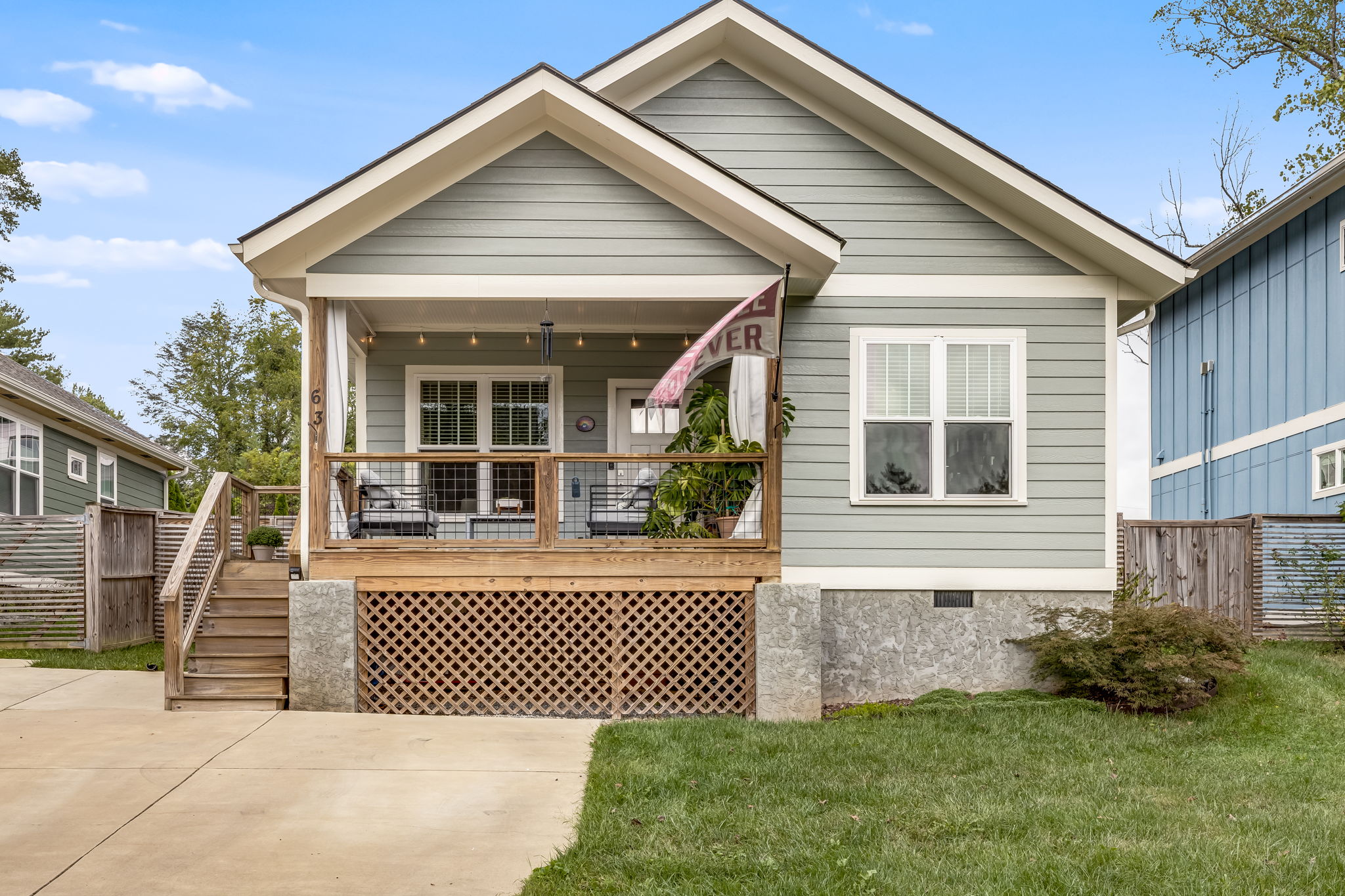
Planning to buy in WNC?
Get more practical buyer tips, local market insights, and property considerations in our monthly newsletter.
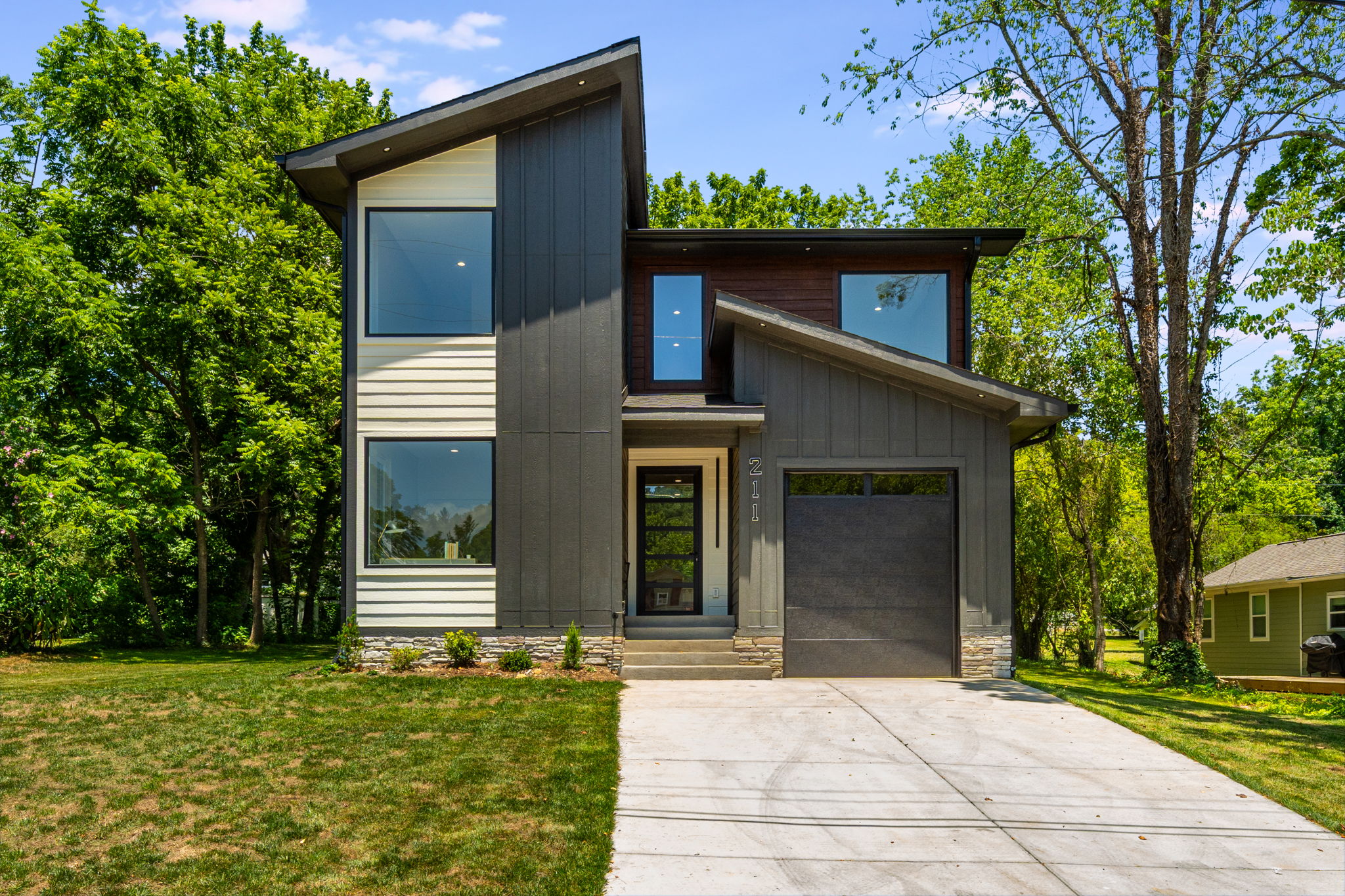
Considering a move to the mountains?
Receive local insights, relocation considerations, and community highlights to help you plan your next chapter.
2. Moving to WNC
Choosing where to call home
Relocating to Western North Carolina means choosing not only a house but also a community that fits your daily life. Asheville, Hendersonville, Brevard, and the surrounding towns each offer different housing options, commuting patterns, and levels of access to everyday services.
-
Think about your routine. Consider your commute, healthcare access, grocery shopping, schools, and other regular needs.
-
Compare in-town and rural living. A home outside town may offer more privacy or land, but could involve longer drives and fewer nearby services.
-
Research the cost of living. Housing costs vary by community and property type. Include insurance, utilities, transportation, and maintenance in your budget.
-
Visit before deciding. Explore the area at different times of day and, if possible, during different seasons. A location can feel quite different on a weekday commute than during a weekend visit.
It's also worth checking internet availability, road conditions, and access to emergency services if you're considering a more remote property.
The right location is the one that works for your everyday life, not just your idea of mountain living.
3. Real Estate Investing
Look beyond the purchase price
Western North Carolina offers different types of real estate investment opportunities, from long-term rental homes to second homes and properties with potential for improvement. However, a property's appeal doesn't automatically make it a profitable investment.
-
Evaluate rental demand. Research comparable rentals, local employment, seasonal patterns, and the type of tenant likely to rent the property.
-
Calculate realistic expenses. Include taxes, insurance, maintenance, vacancies, management fees, utilities, and capital improvements.
-
Understand local regulations. Short-term rental rules, zoning, permits, and occupancy requirements can vary by jurisdiction. Verify the requirements that apply to the specific property.
-
Assess the property's condition. Deferred maintenance, access issues, aging systems, and renovation costs can change the financial picture considerably.
-
Plan your exit strategy. Consider whether the property would suit a future buyer and how easily you could sell if your investment goals changed.
Investors should evaluate the numbers, risks, and intended holding period before deciding whether a property fits their strategy.
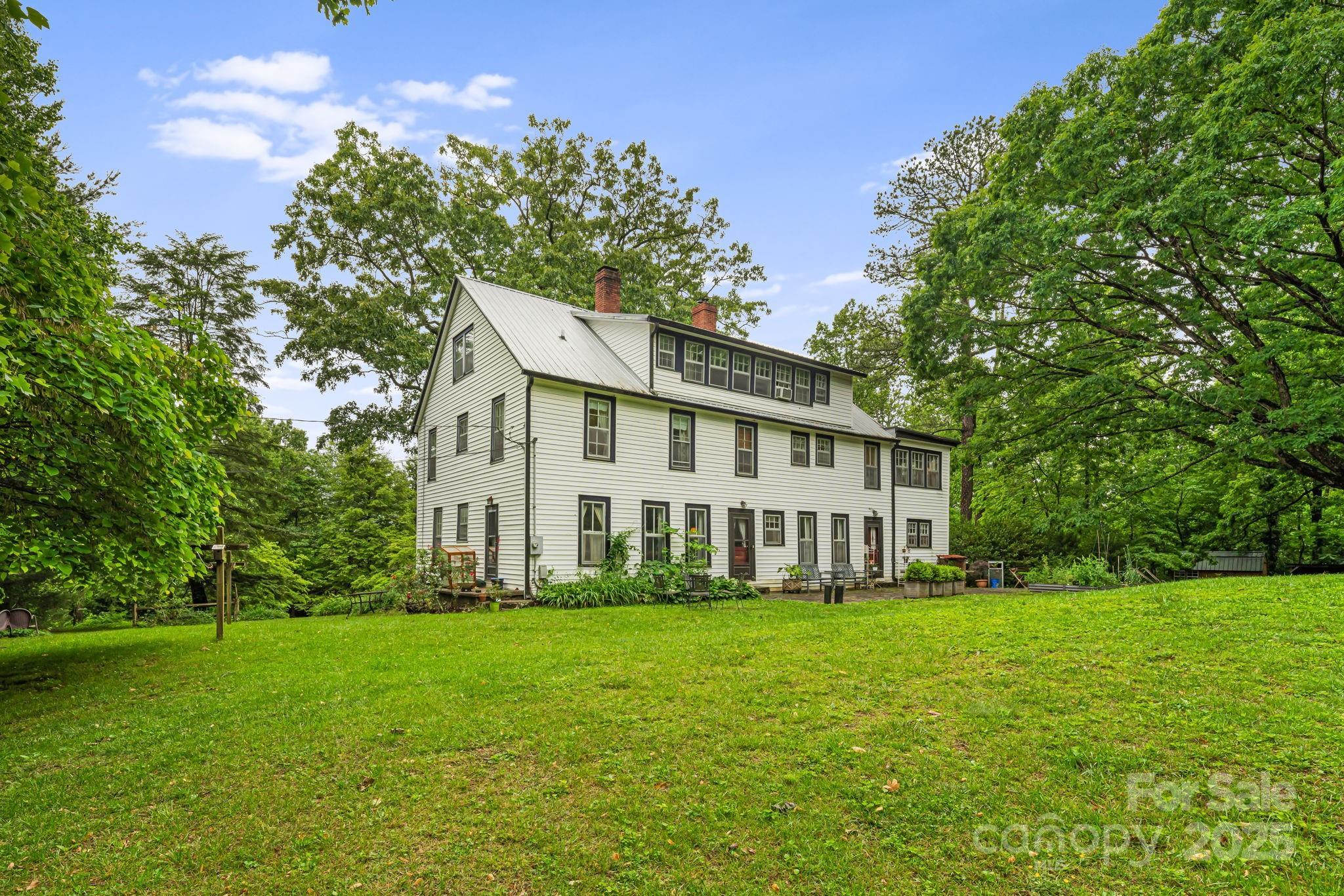
Exploring investment opportunities in WNC?
Stay informed with real estate insights, market considerations, and practical tips for evaluating potential investments.
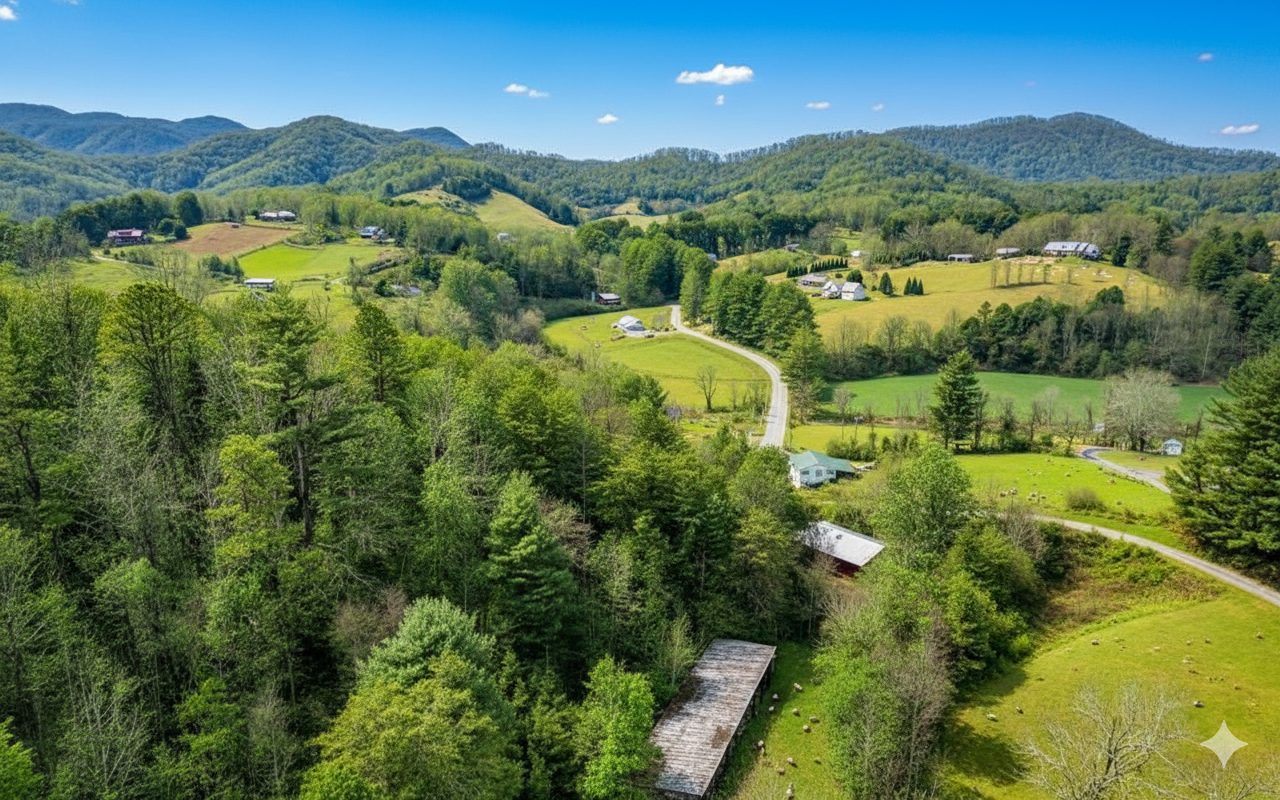
Thinking about buying mountain property?
Get helpful reminders, property research tips, and local real estate insights delivered monthly.
4. Mountain Property Know-How
The details that can make a big difference
Mountain properties can offer privacy, scenery, and room to spread out. They can also present challenges that buyers may not encounter with a typical home in an established subdivision.
-
Terrain and drainage: Steep slopes, erosion, retaining walls, and stormwater runoff deserve careful evaluation.
-
Road access: Confirm legal access, maintenance responsibilities, and whether the driveway and road are suitable for the vehicles you expect to use.
-
Building feasibility: If buying vacant land, investigate zoning, permitted uses, septic suitability, water access, driveway requirements, and site preparation before assuming the land is buildable.
-
Weather and exposure: Consider tree hazards, storm damage, winter conditions, and the property's access during severe weather.
-
Flood risk: Review applicable flood maps and property-specific drainage conditions. Mountain terrain does not automatically mean a property is free from flood risk.
The key is to verify the property's practical limitations before purchasing, particularly when buying land or planning significant improvements.
5. Understanding Local Communities
Find the area that fits your lifestyle
Western North Carolina isn't one uniform real estate market. Communities can differ significantly in housing prices, property types, commute times, access to amenities, and the amount of space available.
-
Asheville: Offers a mix of urban conveniences, established neighborhoods, and surrounding residential areas.
-
Hendersonville: Provides a range of housing options, from homes near downtown to properties in surrounding communities.
-
Brevard and nearby areas: May appeal to buyers looking for a smaller-town setting and access to outdoor recreation.
-
Surrounding rural communities: Can offer larger parcels and greater privacy, but buyers should carefully assess access, utilities, and everyday travel requirements.
These are broad starting points, not substitutes for comparing individual neighborhoods. Prices, amenities, and lifestyles vary within each community.
Before deciding, compare actual listings, drive the routes you'll use regularly, and identify the services that matter most to you.
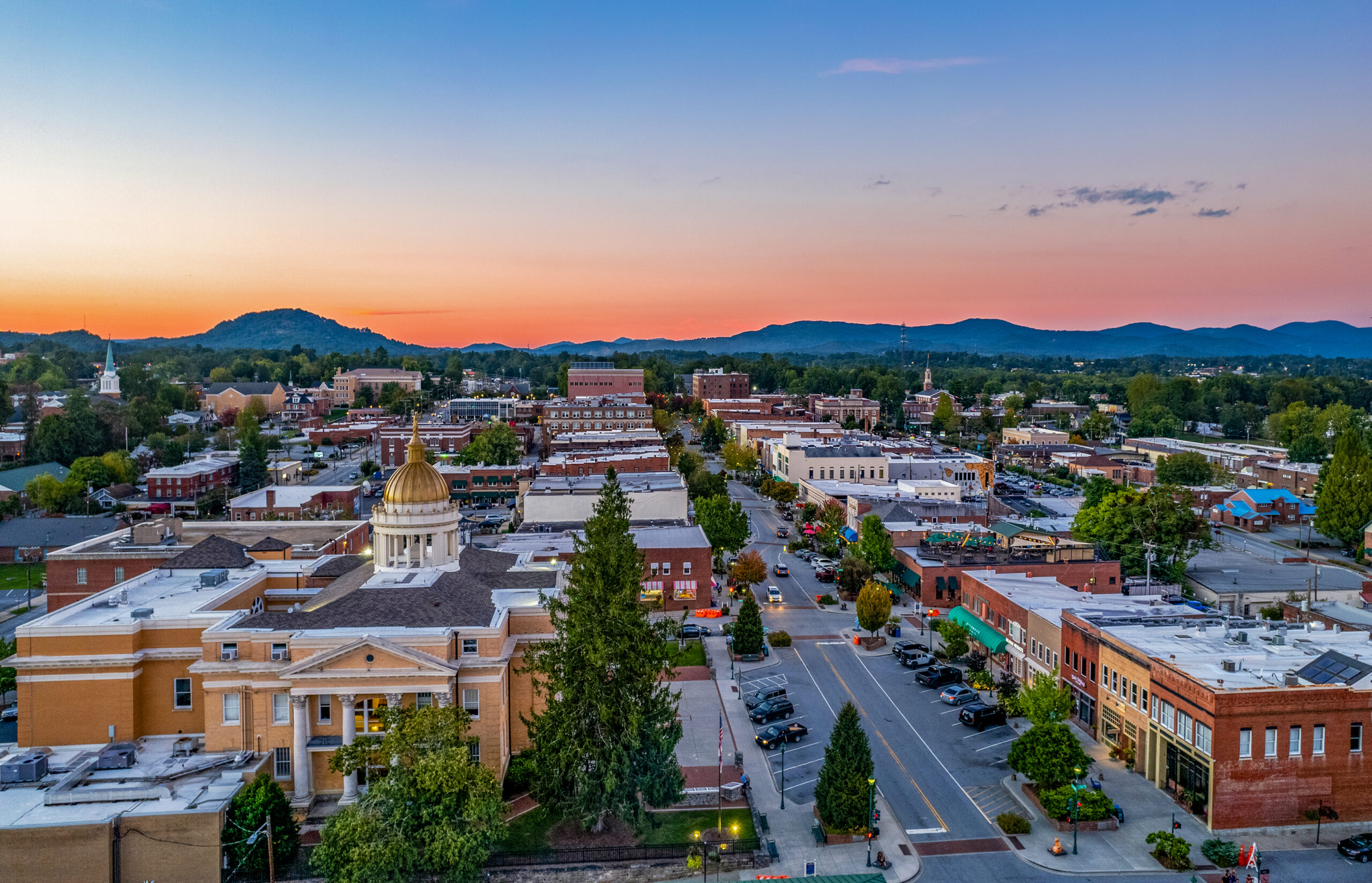
Not sure which WNC community is right for you?
Get community spotlights, housing insights, and practical information to help narrow down your options.
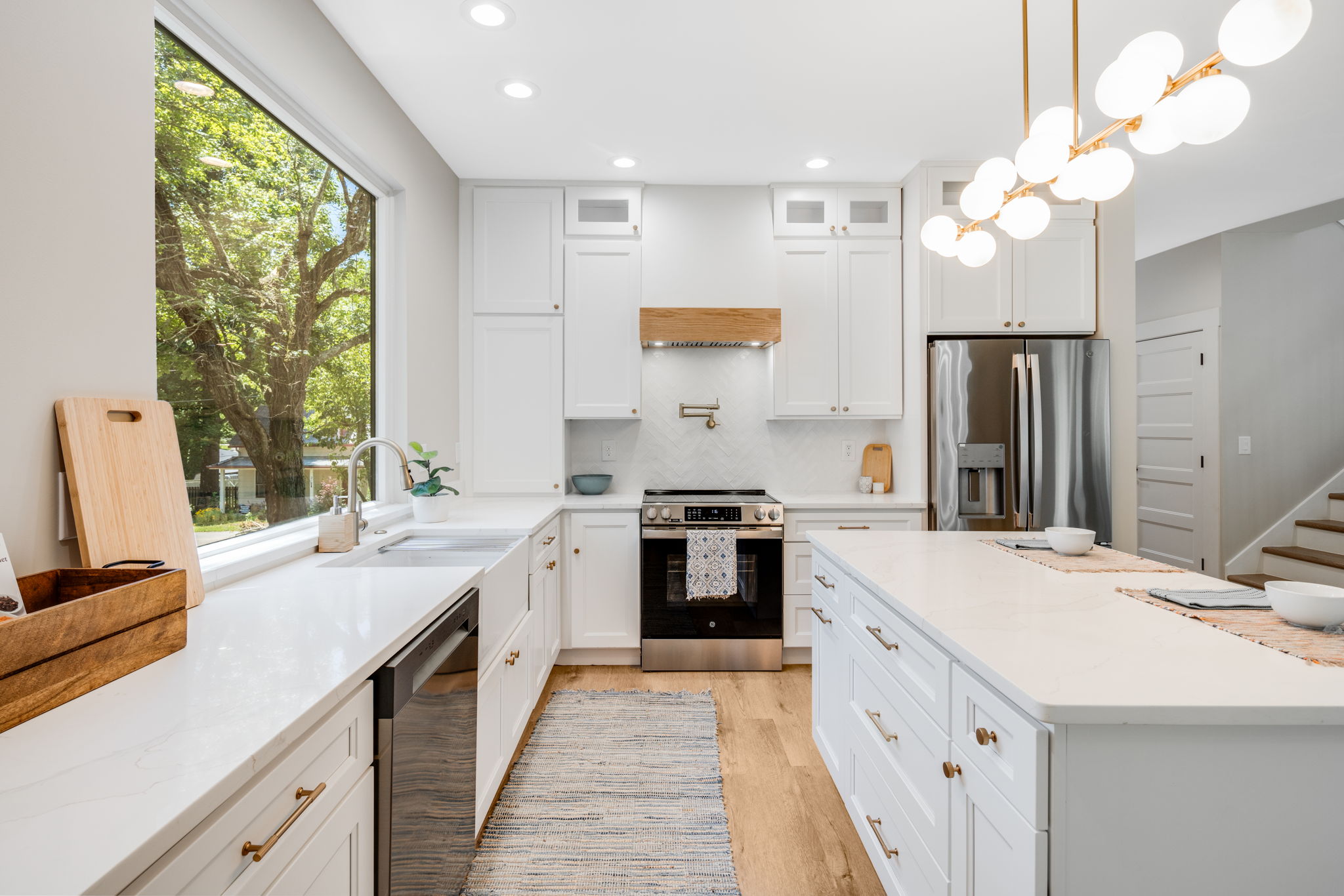
Make informed decisions about your property.
Sign up for seasonal homeowner tips, seller preparation advice, and local market insights.
6. Homeowner & Seller Tips
Protect your property and plan ahead
Owning a home in Western North Carolina means preparing for seasonal weather and keeping up with maintenance that can protect your property's condition over time. If you're considering selling, understanding your home's current condition and market position is equally important.
-
Stay ahead of maintenance. Inspect roofing, gutters, drainage, decks, and exterior areas regularly, especially after major storms.
-
Prepare for seasonal changes. Check heating systems, protect vulnerable plumbing where appropriate, and address drainage issues before heavy rain or freezing temperatures.
-
Keep useful records. Save permits, repair receipts, inspection reports, warranties, and records for major improvements.
-
Prepare before listing. Address visible maintenance concerns, organize property documentation, and review comparable sales with a local real estate professional.
-
Price with the market in mind. Property values depend on location, condition, features, and current comparable sales. Improvements do not always translate dollar-for-dollar into resale value.
A little planning can help homeowners manage surprises and put themselves in a better position when it's time to sell.


© CENTURY 21 2023 - 2024. All rights reserved. CENTURY 21®, C21® and the CENTURY 21 Logo are registered service marks owned by Century 21 Real Estate LLC. Franchisee Legal Entity Name (not the dba) fully supports the principles of the Fair Housing Act and the Equal Opportunity Act. Each franchise is independently owned and operated. Any services or products provided by independently owned and operated franchisees are not provided by, affiliated with, or related to Century 21 Real Estate LLC nor any of its affiliated companies.
